Find Your Perfect Fit: Your Essential Guide to Sports Shoes
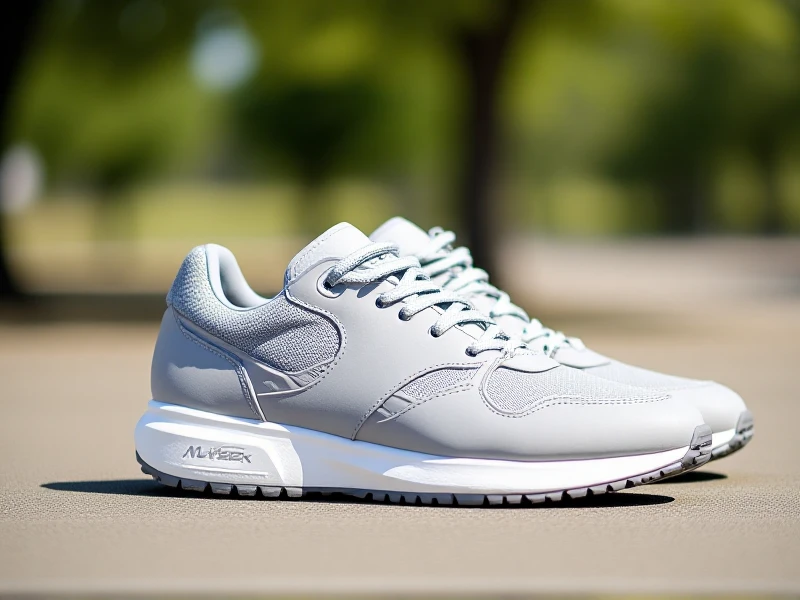
Choosing the right pair of sports shoes isn't just about style; it's about performance, comfort, and preventing injuries. With countless options lining store shelves and websites boasting the latest technologies, finding your ideal sports shoes can feel overwhelming. This guide cuts through the noise to help you make an informed choice.
Why Your Sport Dictates Your Shoes
The demands placed on your feet vary drastically between activities. Running involves repetitive forward motion and heel impact, requiring shoes designed with cushioning and shock absorption specifically for that gait. Basketball demands rapid lateral movements and jumps, so look for high-tops offering excellent ankle support and court grip. Tennis or badminton shoes prioritize quick directional changes and stability on indoor surfaces. Trail running sports shoes feature aggressive treads and added protection for rugged terrain. Choosing shoes engineered for your specific activity provides the necessary support and enhances your performance while reducing the risk of strains or sprains.
Fit: The Non-Negotiable Factor
The most advanced technology is useless if the shoe doesn't fit correctly. Your feet naturally swell during exercise, so shop for sports shoes in the late afternoon when your feet are largest. There should be about a thumb's width (roughly half an inch) of space between your longest toe (which might be your second toe) and the end of the shoe to prevent bruised toenails and discomfort. The heel should fit snugly without slipping excessively, and the midfoot should feel secure but not constricting. Don't assume you wear the same size in every brand – sizes can vary. Always try on both shoes and walk or jog around the store if possible. Width is crucial too; many brands offer standard and wide options.
Understanding Key Technological Features
Modern sports shoes incorporate various technologies aimed at improving comfort and performance. Cushioning systems help absorb impact, often using materials like EVA foam, polyurethane, gel, or air pockets. Stability features include medial posts or denser foam in the midsole to counteract overpronation. Motion control shoes offer the maximum support for severe overpronation. Flexibility in the forefoot is essential for a natural stride. Breathable mesh uppers keep feet cool and comfortable, while durable outsoles provide traction specific to the sport's surface. Consider your gait pattern and any specific support needs when evaluating these features.
Caring for Your Investment
Extend the lifespan and performance of your sports shoes with proper care. Alternate between pairs if you exercise frequently, allowing shoes 24-48 hours to decompress and dry out moisture. Avoid machine washing and drying; instead, remove insoles and laces, gently clean the upper with a soft brush and mild soapy water, then air-dry naturally away from direct heat sources. Monitor the midsole for signs of compression and the outsole for worn-down tread, as loss of cushioning or traction can lead to discomfort and increase injury risk. Most performance sports shoes are effective for 300-500 miles of running or equivalent use.
Investing time in finding the right sports shoes tailored to your activity, foot type, and fit preferences is an investment in your performance, comfort, and foot health. Consult a specialist running store for gait analysis if unsure, prioritize fit above all else, and replace shoes when they lose their support to keep moving safely and effectively. Find your perfect pair today!